
Animal-Assisted Therapy for Adults: Where It Helps Most
Animal-assisted therapy is often pictured as work with children, but adults are a large and growing share of the clients. Hospital patients facing procedures, stroke survivors rebuilding movement, veterans working through trauma, adults in psychiatric care and older people in residential homes all meet therapy animals in structured programs. The format changes with adulthood; the underlying mechanisms do not.
Adult work differs from children's sessions in one crucial way: adults arrive with histories. Decades of experience with animals, good and bad, plus the full weight of adult self-consciousness, shape every first session. Skilled practitioners treat that history as material, not as an obstacle.
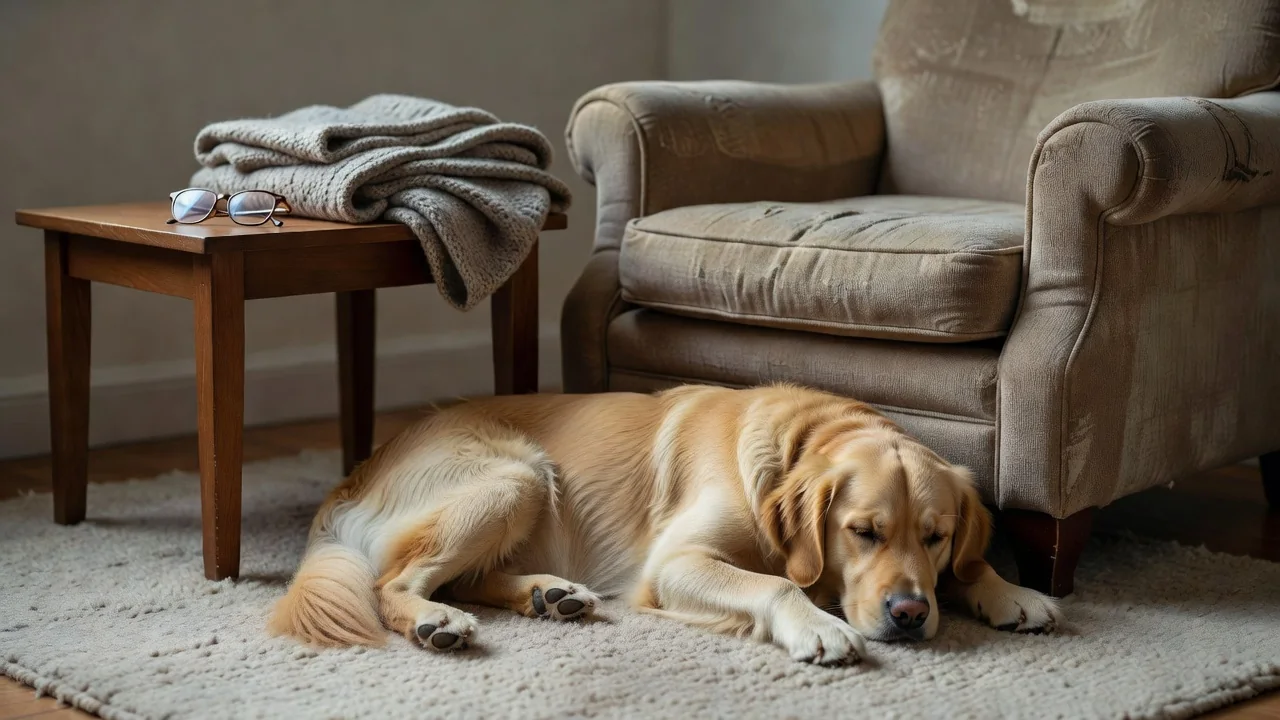
Where Adult AAT Is Used Most
Rehabilitation is the classic setting. Stroke and brain injury programs use animals to motivate repetitive movement and to ease the emotional crash that often follows sudden disability. Mental health services integrate animals into treatment for depression, anxiety and post-traumatic stress, where the animal's non-judgmental presence lowers the threshold for engagement. Palliative and long-term care use visits to restore routine, comfort and a sense of being more than a diagnosis.
Workplace and community programs are newer territory: de-stress visits during high-pressure seasons, support after critical incidents, and assisted activities in shelters and recovery houses. The evidence base is youngest here, but the logic is old: regulated people cope better, and animals regulate people.
What Adults Actually Do in Sessions
Adult sessions trade games for purpose. A physiotherapy client grooms a horse to rebuild shoulder range; a counselling client walks a dog while talking, because side-by-side movement makes difficult words easier than face-to-face stillness; a trauma survivor practices grounding by reading the animal's calm breathing. The tasks are real, which preserves adult dignity, and chosen, which preserves consent.
| Adult population | Typical session content | Common goals |
|---|---|---|
| Stroke and injury rehab | Grooming, throwing, walking with the animal | Motor repetition, motivation, mood |
| Depression and anxiety | Structured contact, walking and talking | Engagement, routine, reduced avoidance |
| PTSD and trauma | Grounding with the animal, trust-building tasks | Regulation, sense of safety, sleep routines |
| Dementia and elder care | Visits, reminiscence around the animal | Orientation, calm, social connection |
| Palliative care | Quiet bedside presence | Comfort, reduced fear, family support |
The Adult Barriers, Named Honestly
Practitioners meet the same few obstacles repeatedly:
- Embarrassment: "this is for children" is the most common first objection, and it usually dissolves after one genuine session.
- Fear or bad history: previous bites, cultural unfamiliarity or phobia require slow, fully consented exposure or a different approach entirely.
- Allergies and infection control: real constraints that good programs plan around rather than dismiss.
- Scepticism about evidence: healthy, and best answered with goals, baselines and honest limits rather than enthusiasm.
- Grief: adults with strong animal bonds sometimes find visits stir loss as much as comfort, which needs sensitive handling.
Why Adults Sometimes Benefit Fastest
For all the barriers, adults bring advantages children lack. They can articulate what is working, set their own goals and connect session experiences to life patterns in the debrief. Many adult clients describe the animal's role with striking precision: the dog gave them a reason to leave the room, the horse's feedback showed them their own tension, the visit was the first hour all week without fear.
Perhaps the deepest adult-specific benefit is permission. Grown life offers few socially acceptable ways to be comforted. A therapy animal in the room grants that permission without requiring anyone to name what they needed comforting from. For people carrying things they are not ready to say aloud, an animal that simply stays close is not a small thing. It is often the thing that makes the rest of the work possible.