
Therapy Animals in Hospitals: Comfort With Rules
Therapy animals bring a special kind of comfort to hospital rooms. A gentle dog resting its head on a patient’s lap or a calm cat purring beside someone recovering from surgery can ease anxiety in ways medicine alone cannot. Yet these visits only work when everyone follows clear rules designed to protect vulnerable patients and keep the animals safe too.
Hospitals maintain strict infection-control standards that therapy animal programs must meet. Animals undergo regular veterinary checks, receive up-to-date vaccinations, and stay free from fleas or skin conditions. Handlers wash their hands and the animal’s paws before and after each visit. Most facilities require animals to be bathed within 24 hours of entering the building. These steps reduce the already low risk of spreading germs between patients.
Understanding Where and When Visits Work Best
Not every hospital unit welcomes therapy animals. Intensive care units, burn wards, and rooms with patients in protective isolation often restrict visits to avoid any chance of infection. Oncology floors may allow them only after careful screening. In contrast, general medical floors, rehabilitation units, and pediatric wards tend to welcome these visits most warmly. Staff usually decide on a case-by-case basis after checking the patient’s current condition and immune status.
Session length matters more than many realize. Most hospitals limit therapy animal visits to 10–20 minutes per patient. This keeps stress low for both the animal and the person receiving comfort. Longer visits can tire the animal or overwhelm a patient who is already fatigued. Handlers watch carefully for signs that either party needs a break.
Patient Consent and Staff Coordination
Before any animal steps into a room, staff must obtain clear patient consent. Some people feel nervous around animals even if they once loved them. Nurses or child-life specialists explain the visit, describe the animal, and give patients the right to say no without explanation. When consent is given, the care team coordinates timing so the visit does not clash with medical procedures, meals, or rest periods.
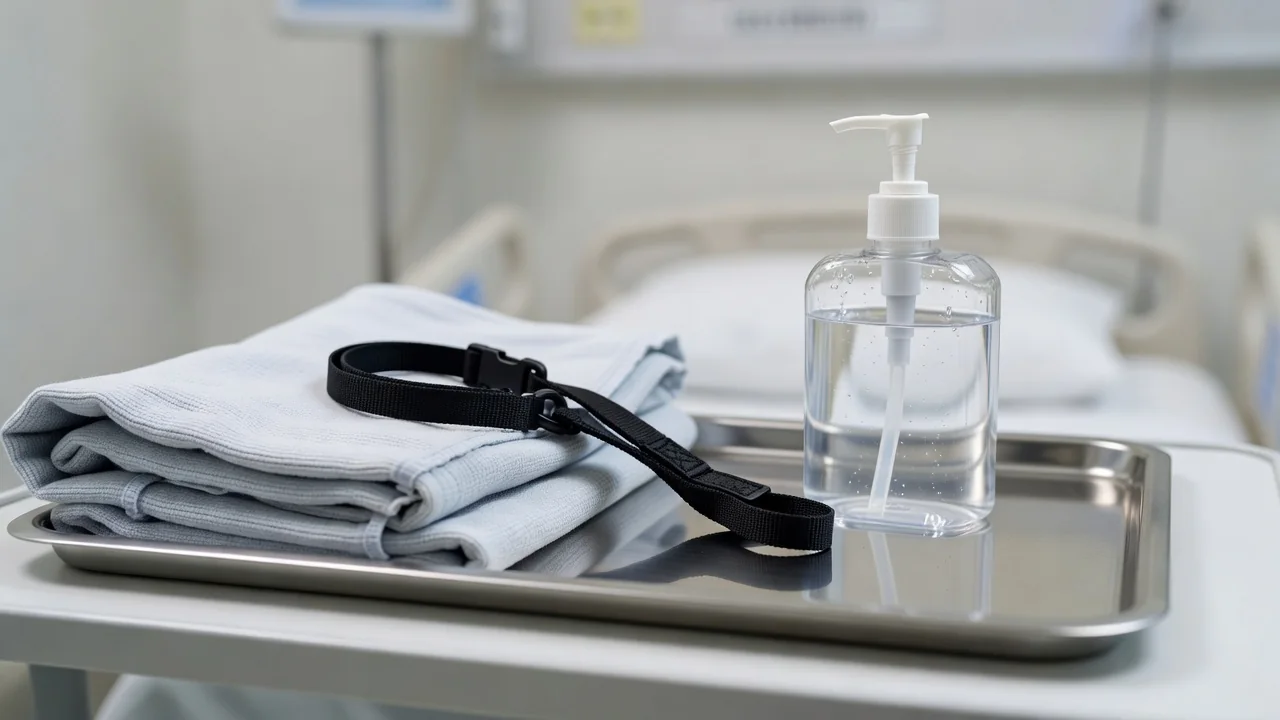
Hand hygiene remains the simplest yet most important rule. Everyone—handler, nurse, visitor, and patient—should wash or sanitize hands before and after touching the animal. Many hospitals place sanitizer stations right outside the patient’s door and ask handlers to carry extra wipes for quick cleaning of the animal’s coat if needed.
| Hospital Area | Practical Rule |
|---|---|
| ICU or isolation room | Visits usually prohibited; consult infection control first |
| General medical floor | 10–15 minute visits after patient consent and hand hygiene |
| Pediatric unit | Child-life specialist must be present; animal must be under 2 years old in some hospitals |
| Oncology ward | Only animals with recent negative fecal tests and bathed within 24 hours |
Questions Every Handler Should Ask Before a Visit
- Has the patient given verbal or written consent for an animal visit today?
- Are there any active infections, open wounds, or immune-compromised conditions in the room?
- Does the nursing staff have a preferred time that avoids rounds or procedures?
- Is there space for the animal to move comfortably without touching medical equipment?
- Should the handler bring a towel or mat to place on the bed or chair?
Following these guidelines helps therapy animals continue their important work without causing unintended harm. When hospitals, handlers, and medical teams coordinate well, a short visit from a friendly dog or cat can become one of the brightest moments in a patient’s day. The rules exist not to limit joy but to protect it so that every visit remains safe, meaningful, and repeatable.