
How a Therapy Dog Visit Works, Step by Step
Therapy dog visits bring a special kind of comfort to hospitals, schools, care homes and libraries. Behind every wagging tail and gentle snout is a carefully planned process designed to keep everyone safe and make the experience meaningful. Handlers and their dogs follow strict protocols so the visit feels natural while remaining professional and respectful.
Before any paws cross the threshold, the facility is screened for suitability. The handler speaks with staff to understand the environment, identify any allergies, infection risks or behavioural triggers, and confirm that the space allows for calm interactions. Only when the setting is approved does the visit go ahead.
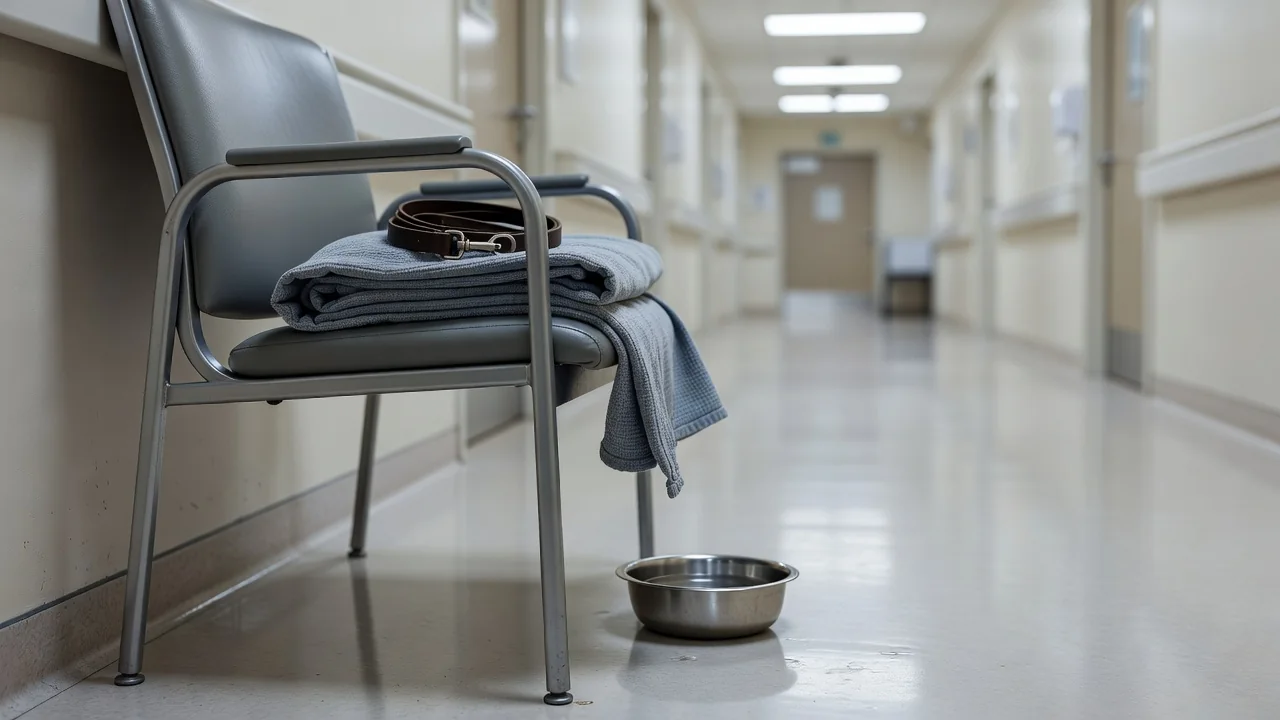
Arrival, Route and Timing
The handler and dog arrive at an agreed entrance, often wearing clear identification vests that read “Therapy Dog” so everyone knows their role. A pre-planned route avoids high-traffic areas, kitchens and isolation zones. Visits are kept short—usually 20 to 40 minutes total—so the dog stays fresh and enthusiastic. Timing is coordinated with nursing shifts or school breaks to maximise positive impact without disrupting routines.
Hygiene, Introductions and Consent
Both handler and dog are thoroughly clean. The dog is brushed, nails trimmed and paws wiped with pet-safe sanitiser immediately before entering. Handlers carry hand sanitiser and waste bags. When they reach a patient or student, the handler always asks for consent first. Some people prefer to watch from a distance; others want to stroke or even hug the dog. The handler reads the dog’s body language constantly—if the dog shows any sign of stress, the interaction ends immediately.
Sessions stay brief on purpose. Five to ten minutes per person prevents overstimulation for both the animal and the recipient. After each meeting the pair take a quiet break in a side room or corridor so the dog can drink, rest and reset. This rhythm protects the dog’s wellbeing and keeps the quality of interaction high throughout the visit.
| Stage | Purpose |
|---|---|
| Pre-visit screening | Assess environment, allergies and infection control |
| Arrival & route planning | Ensure safe, calm movement through the facility |
| Hygiene protocol | Prevent spread of germs between people and dog |
| Consent & introduction | Respect personal boundaries and preferences |
| Short interactions | Maintain engagement without fatigue |
| Breaks & monitoring | Protect the dog’s physical and emotional health |
| Cleanup & notes | Leave the space clean and record observations for staff |
After the Visit: Cleanup and Notes
Once the visit ends, the handler disposes of any waste, wipes down any equipment used and thanks the staff. They leave a short written note highlighting positive moments or any concerns—perhaps a patient who smiled for the first time in days or a dog that seemed uneasy near loud equipment. These observations help the care team integrate the visit into their wider support plan.
Facilities that host therapy dogs prepare in advance to make the experience seamless. Here is what staff should have ready:
- A quiet holding area for the dog to rest between visits
- Hand sanitiser stations placed near each interaction spot
- A list of participants who have given prior consent
- Clear signage directing visitors away from restricted zones
- Someone assigned to escort the handler and record feedback
- Fresh water and a non-slip mat for the dog’s comfort
Every step, from the first phone call to the final thank-you, is designed to create a moment of genuine connection. When done well, a therapy dog visit lifts spirits, reduces anxiety and reminds people they are not alone. The dogs seem to know exactly when a gentle presence is needed most, and the structured process ensures that magic can happen safely, again and again.