
Hippotherapy vs Therapeutic Riding: Two Different Jobs for Horses
Hippotherapy and therapeutic riding share an arena, a horse and sometimes even the same clients, which is why they are so often confused. They are, however, different professions with different goals, different training and different ideas of success. Families choosing between them, and facilities writing referrals, need the distinction to be clear.
The simplest way to frame it: in hippotherapy the horse is the treatment, and the therapist directs everything. In therapeutic riding the horse is the teacher's partner, and the rider is learning a skill. Both are legitimate, and many people benefit from each at different stages of their lives.
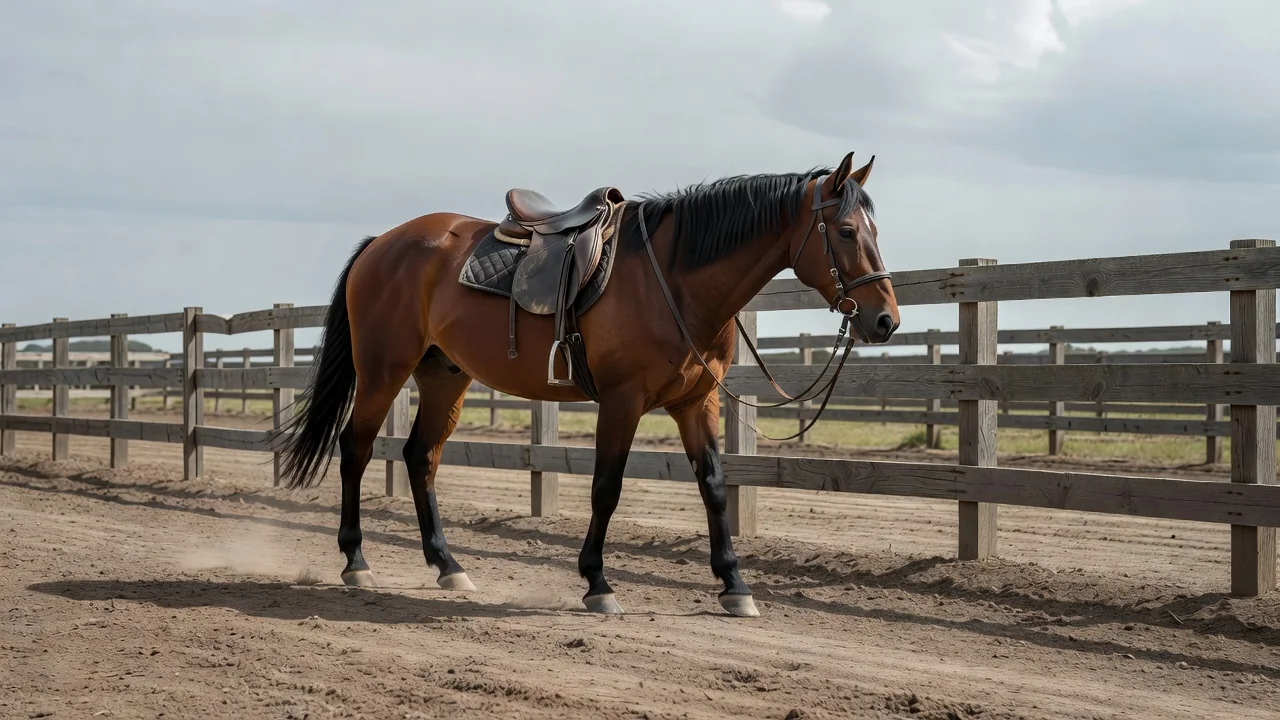
Hippotherapy: The Horse as Medical Instrument
Hippotherapy is delivered by licensed physiotherapists, occupational therapists or speech and language therapists who have added specialized training in equine movement. The client sits on the horse while a handler leads it and the therapist walks alongside, positioning the client's body, choosing the horse's tempo and direction, and adjusting the surface beneath. The client is not learning to ride; often they do not even hold the reins.
The clinical logic is precise. A horse's walk transmits rhythmic, three-dimensional movement through the rider's pelvis that closely mimics the pattern of human gait. For a child with cerebral palsy or an adult rebuilding balance after a stroke, minutes of this input train postural muscles, coordination and sensory processing continuously. Sessions are documented like any other medical treatment, with goals, measures and progress reviews.
Therapeutic Riding: The Horse as Teacher
Therapeutic riding is adaptive riding instruction led by certified instructors, not medical therapists. Riders learn genuine horsemanship adapted to their abilities: steering, halting, posting, sometimes trotting, always within careful risk assessment. The goals reach beyond the physical. Directing a half-tonne animal through a figure of eight builds communication, planning, frustration tolerance and a kind of earned confidence that is hard to replicate elsewhere.
| Question | Hippotherapy | Therapeutic riding |
|---|---|---|
| Who leads the session? | Licensed medical therapist | Certified therapeutic riding instructor |
| What is the horse's role? | Source of therapeutic movement | Partner in learning a skill |
| Does the client steer? | Usually not | Yes, progressively |
| Primary goals | Balance, muscle tone, sensory and speech targets | Riding skills, independence, confidence |
| How is progress recorded? | Clinical goals and measures | Skill milestones and rider development |
| Typical funding frame | Often treated as rehabilitation | Usually recreational or educational |
Choosing Between Them
The choice follows the goal, not the horse. A few guiding questions help families and referrers decide:
- Is the primary need physical rehabilitation with measurable clinical targets? That points to hippotherapy.
- Is the goal confidence, social participation and the joy of mastering a skill? That points to therapeutic riding.
- Does the person need speech or occupational therapy goals addressed in a motivating setting? Some therapists integrate hippotherapy into those sessions directly.
- Has a medical professional identified contraindications to mounted work? Ground-based equine programs may fit better than either mounted option.
What Good Programs Have in Common
Whichever branch is chosen, quality markers look similar. Horses are selected for steady temperament and sound movement, and their working hours and rest are managed. Sessions are staffed appropriately, often with a leader and side-walkers in addition to the therapist or instructor. Intake includes medical screening, and nobody promises outcomes the evidence cannot support.
The two disciplines also cooperate well over a lifetime. A child might begin with hippotherapy to build the trunk control for sitting tall, graduate to therapeutic riding as balance and confidence grow, and one day ride simply for pleasure. The horse, meanwhile, asks the same thing at every stage: clear signals, fair treatment and a person fully present. Clients who learn that lesson carry it far beyond the arena.