
The Therapy Horse’s Side of the Job: Welfare and Rest
Every equine therapy session depends on an animal that cannot say yes to the schedule. The horse did not volunteer; it was chosen, trained and asked to carry or accompany strangers, day after day, with steady grace. Good programs treat the horse's welfare not as a public relations extra but as the foundation of everything else, because a stressed, sour or exhausted horse is neither safe nor therapeutic.
The encouraging reality is that the qualities that make a good therapy horse, calmness, patience, tolerance of clumsy handling, also make its needs easy to overlook. A horse that endures without complaint still endures. The responsibility to notice rests entirely with the humans.
Choosing the Right Horse in the First Place
Welfare begins at selection. Programs look for mature horses with a genuinely unflappable temperament, sound bodies and a history of coping well with varied handling. A horse that tolerates work by shutting down emotionally is a poor choice even if it never puts a foot wrong, because suppression eventually surfaces as tension, illness or sudden behaviour. The best therapy horses show visible relaxation during sessions, soft eyes, lowered heads, easy breathing, rather than frozen compliance.
Not every candidate passes, and honest programs wash out a meaningful share of prospects during trial periods. A horse that dislikes the specific texture of therapy work, unpredictable touch, wheelchairs, unbalanced riders, does not fail as an animal. It simply belongs in a different job.
Workload, Rest and the Shape of a Week
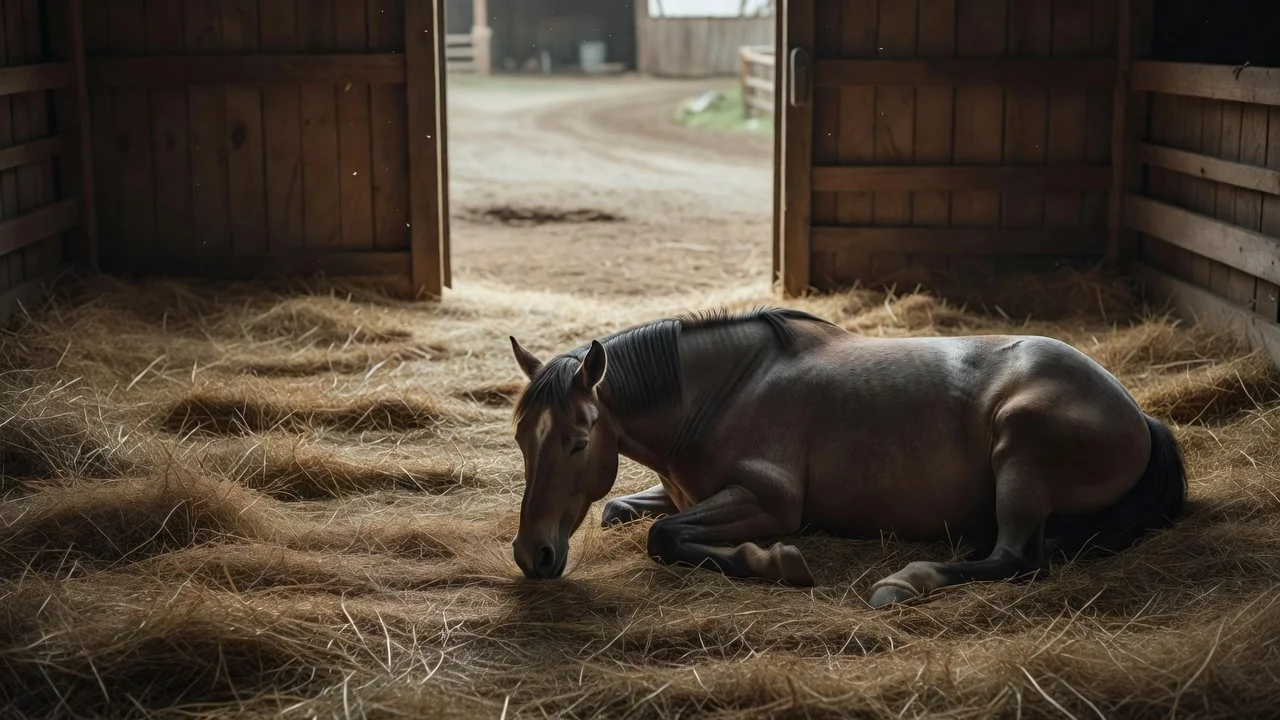
Therapy sessions may look gentle, but they concentrate stress: unbalanced riders strain backs, repeated arena circles strain joints, and constant novel handling taxes attention. Responsible programs cap the number of sessions per day and per week, rotate horses through different types of work and guarantee days completely off. Turnout time in a paddock with other horses is not a luxury; it is the psychological maintenance that keeps a working horse sane.
| Welfare area | Good practice | Warning sign if neglected |
|---|---|---|
| Workload | Limited sessions, mandatory rest days | Stiffness, reluctance to be caught, dullness |
| Saddlery and fit | Regular professional saddle checks | Back soreness, white hairs, pinning ears when tacked |
| Turnout and herd life | Daily paddock time with companions | Stable vices, weaving, box-walking |
| Veterinary and hoof care | Scheduled checks, dentistry, farriery | Subtle lameness, weight change, quidding |
| Emotional load | Varied work, quiet handling, retirements planned | Shutdown behaviour or new spookiness |
Reading the Horse During Sessions
Skilled staff watch the horse with the same attention they give the client. Signs that a horse needs a break rather than another exercise:
- Repeated head tossing, tail swishing or skin twitching without flies present.
- A hard, fixed eye or tense jaw replacing the usual soft expression.
- Reluctance at the mounting block or hesitation entering the arena.
- Changes in baseline behaviour such as new spookiness in a previously steady horse.
- Slower recovery after sessions, including reduced appetite or unusual standing still.
Retirement as Part of the Plan
A therapy horse's career has a natural end, and welfare-centered programs plan for it from the beginning. Some horses step down gradually, moving from mounted work to ground sessions to companion-only life. Others retire outright to a known home or a sanctuary arrangement. What matters is that the decision is made on the horse's signals, not the program's convenience, and that the horse's later years are secured before they arrive.
There is a teaching dimension here too. Clients who watch a program care honestly for its horses, resting them, retiring them, admitting when one is having an off day, absorb a lesson no exercise could deliver: that strength and service do not erase the right to be cared for. Many people in therapy need exactly that permission for themselves. The horse, once again, shows them how it works.