From Webcam Tables to Full Studios: How Live Casino Grew Up
Around 2006, the first live dealer games reached online casinos through webcams propped above card tables in spare rooms and converted offices. The picture was grainy, the stream stuttered on slow connections, and the dealer's hands blurred whenever a shuffle moved fast. It was also, unmistakably, a glimpse of the future: real cards, a real person, and no random number generator anywhere in sight.
Two decades later, live casino is a broadcast industry of its own. Purpose-built studios the size of television facilities run around the clock, dealers are trained like presenters, and the largest suppliers operate floors in several countries at once. The road from one webcam to all of that runs through bandwidth, regulation and a stubborn human preference for watching physical cards.

The webcam years: one camera and a lot of patience
The first live tables were humble productions. A single fixed camera pointed at one table in a small room, dealing hours were limited, and the video was compressed to survive the home internet speeds of the mid-2000s. Betting windows ran long to absorb lag, and the interface was little more than a video window with buttons taped on.
What kept the format alive was trust, or rather the lack of it elsewhere. A slice of the audience never fully warmed to software-dealt cards, however well-certified the generator. Watching a human being shuffle and deal felt honest in a way an audited algorithm never did. Even a poor stream beat a perfect certificate for those players, and they were loyal enough to justify building something better.
The studio build-out: spare rooms become broadcast floors
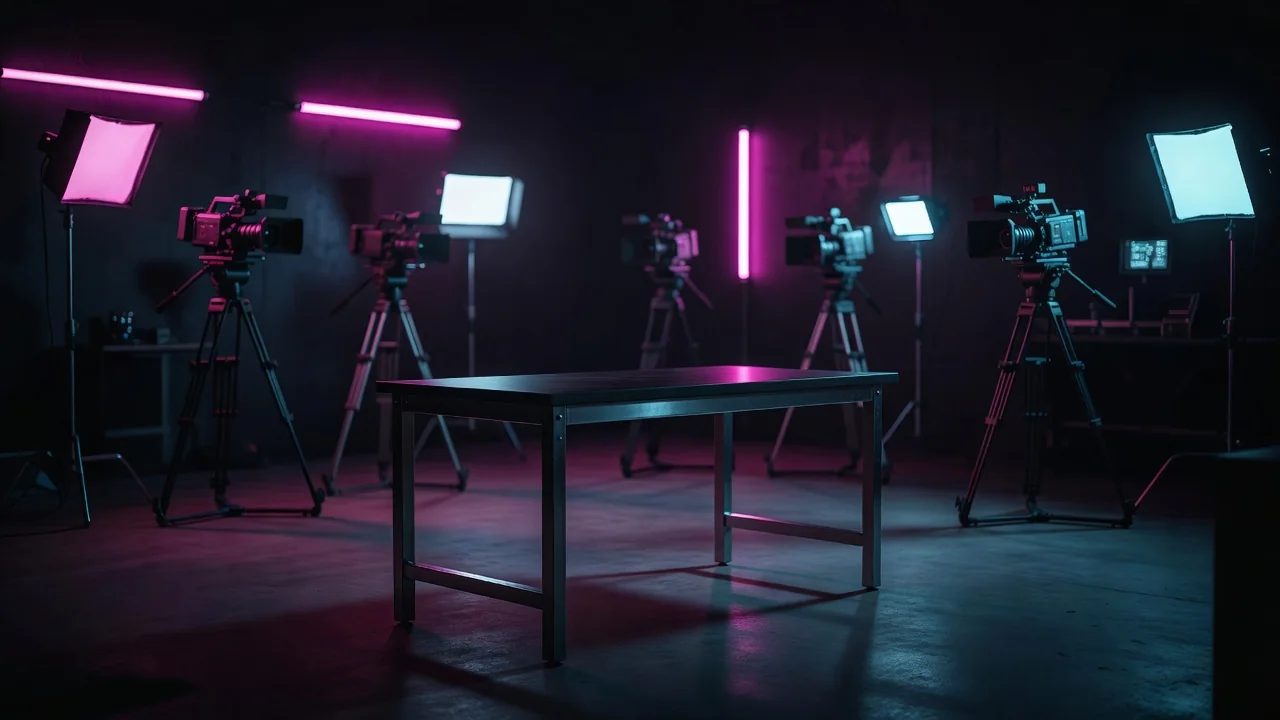
As broadband spread through the early 2010s, suppliers invested in dedicated facilities. Large halls in Riga, Malta and other hubs were fitted with dozens of tables under one roof, each spaced for camera angles rather than floor traffic. Lighting was tuned for lenses, not people. Control rooms appeared, with technicians watching every feed, and dealer academies started teaching camera craft alongside game procedure.
The studio floor solved problems the webcam era could not:
- Tables ran in shifts around the clock instead of a few evening hours.
- Redundant power and duplicate internet lines meant a hand no longer froze mid-deal.
- Dedicated sets allowed branded environments and tables in a dozen languages.
- Trained presenters kept a steady rhythm for an audience they never saw.
The picture jumps: HD, multi-camera and the phone
Each bandwidth generation rewrote the look of live casino. Standard definition gave way to HD, and flagship tables now stream in 4K with several cameras cutting between wide shots and close-ups of the shoe or the wheel. Roulette gained slow-motion replays of the ball settling, a small piece of television grammar that would have been unthinkable on a 2006 webcam.
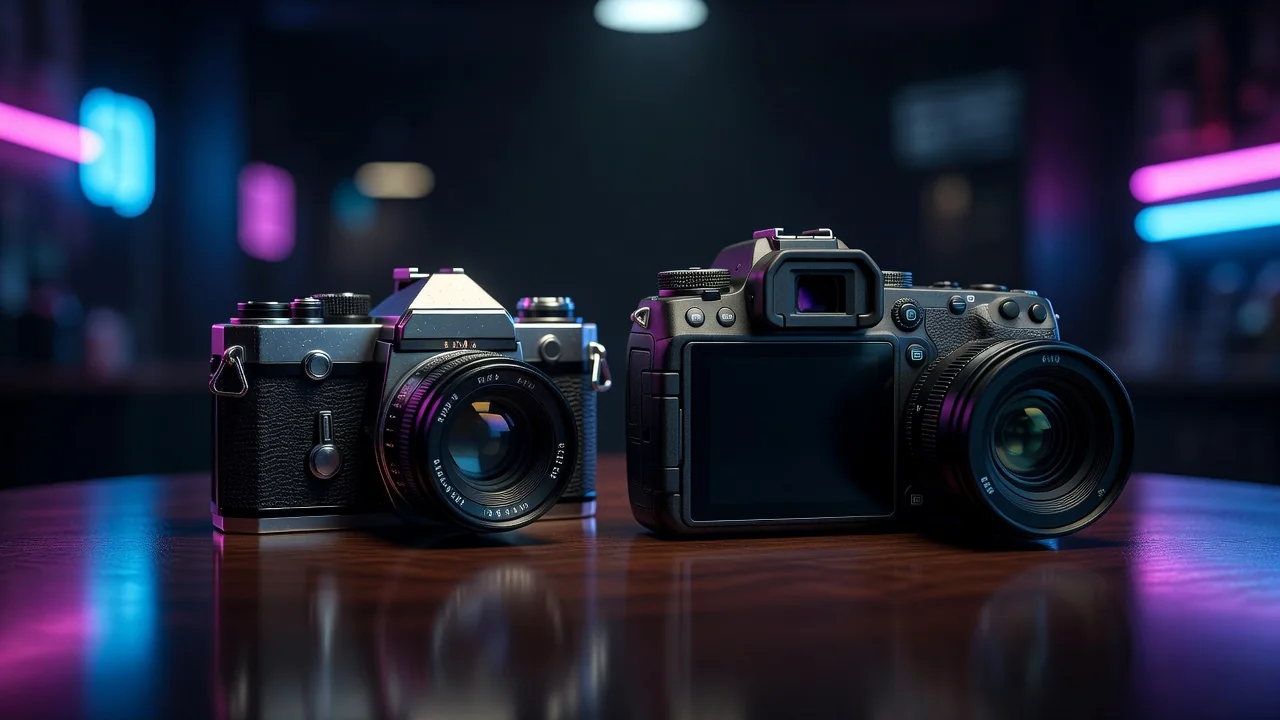
The phone changed the format as much as the camera did. Interfaces were redesigned for vertical screens, betting layouts shrank to a thumb's reach, and overlays had to stay readable on a five-inch display. A round of live blackjack on a commute became ordinary, and studios quietly rebalanced their lighting and framing for the small screen first.
Game shows: the second reinvention
In the late 2010s the studio stopped imitating the casino floor and started imitating television. Money wheels, presenters, bonus rounds and augmented-reality graphics turned live casino into an entertainment set where the game was only part of the show. The same infrastructure that dealt blackjack now hosted formats that owed more to prime-time TV than to the pit.
| Era | Stream quality | What defined it | What limited it |
|---|---|---|---|
| Mid-2000s | Grainy single webcam | Real cards over dial-up | Bandwidth and short hours |
| Early 2010s | SD and early HD studios | Round-the-clock tables | One camera per table |
| Late 2010s | HD multi-camera | Close-ups, replays, mobile play | Desktop-era interfaces |
| 2020s | 4K flagship floors | Game shows and AR graphics | Latency and local rules |
What the next upgrade cycle is chasing
The current frontier is less glamorous than 4K. Suppliers are fighting over latency, shaving the delay between the physical card and the settled bet, and over localisation, opening studios inside regulated markets so tables speak the local language under local licences. Personalisation is next: lobbies that remember a player's favourite table and seat.
Through every upgrade, one thing has not moved. The cards, the wheel and the dealer remain stubbornly analogue, because the physical prop is the trust anchor the whole format was built on. Everything around it can be software, and mostly is. The seam between the two is where live casino has always lived.
Play responsibly
A polished studio makes the game feel like a night out, which is precisely when time and money drift. Live casino is strictly for adults aged 18 and over, playing with entertainment money that is already written off, never with funds meant for bills, rent or debt. Set a deposit limit and a session timer before joining a table, and treat the timer's ring as the end of the evening.
If play stops feeling like a choice, that feeling deserves action rather than another session. Free, confidential support exists in every regulated market through national gambling helplines and peer fellowships such as Gamblers Anonymous. The first conversation costs nothing and commits you to nothing.